
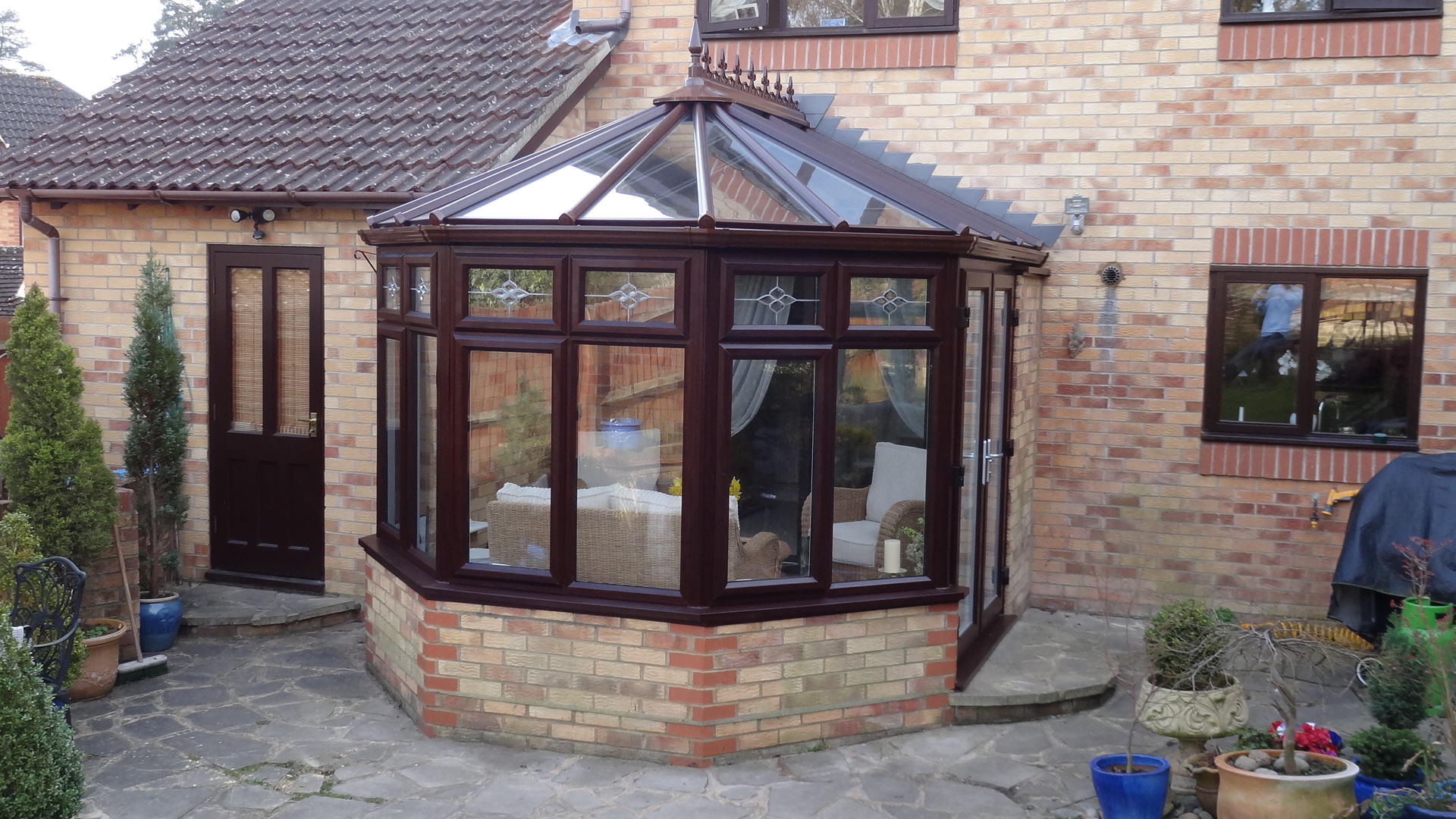
Signs Your Conservatory Roof Needs Replacing
A conservatory roof has a major influence on how comfortable, practical and attractive the room feels.
When the roof is in good condition, it should protect the conservatory from the weather, allow an appropriate amount of natural light into the room and help maintain a reasonably comfortable internal environment.
As the roof gets older, however, problems can begin to appear. Leaks, draughts, condensation, discoloured panels and excessive temperature changes can all make the conservatory less enjoyable to use.
Some issues may be repairable, particularly where they are limited to a seal, guttering joint or individual glazing unit. In other cases, the roof may have reached a point where replacement provides a more reliable and effective long-term solution.
Recognising the warning signs can help homeowners act before water damage, heat loss or deterioration becomes more serious.
How Long Does a Conservatory Roof Last?
There is no single lifespan that applies to every conservatory roof.
The condition of a roof will depend on factors such as:
- The original materials
- The quality of the installation
- The age of the conservatory
- Exposure to wind and rain
- The direction the conservatory faces
- Nearby trees
- Maintenance
- Previous repairs
- Movement in the supporting structure
- The condition of seals and roof bars
A well-installed roof that has been maintained properly may continue performing for many years. Another roof of a similar age may develop leaks, failed seals or damaged panels much sooner.
The age of the roof is therefore only one consideration. Its current condition and performance are more important.
Water Is Leaking into the Conservatory
Water entering the room is one of the clearest signs that the roof needs attention.
Leaks may appear:
- Around roof panels
- Where the roof joins the house
- Near the ridge
- Around glazing bars
- At the eaves
- Close to guttering
- Around roof vents
- Near decorative finials or cresting
- At joints between different roof sections
A small leak should not be ignored. Water can travel along roof components before becoming visible, so the point where the water appears inside may not be the location of the original fault.
Repeated leaks can eventually damage:
- Plaster
- Internal trims
- Flooring
- Furniture
- Electrical fittings
- Window frames
- Brickwork
- Timber components
- Decorative finishes
A professional inspection can help identify whether the problem can be repaired or whether the roof has deteriorated more widely.
Leaks Keep Returning After Repairs
An isolated repair may solve a localised problem.
However, repeated leaks in different areas can indicate that the complete roof system is ageing.
Temporary repairs may become less effective if:
- Several seals have deteriorated
- Roof panels have moved
- Glazing bars are damaged
- The structure has distorted
- Flashing has failed
- The roof no longer drains correctly
- Previous repairs have covered rather than solved the cause
- Replacement parts are difficult to obtain
If the roof requires regular attention, the cost and inconvenience of repeated repairs should be compared with the benefits of installing a complete replacement system.
A new roof can provide greater confidence than continuing to repair multiple ageing components individually.
Polycarbonate Panels Are Discoloured
Older polycarbonate roof panels may become faded, cloudy, yellow or stained over time.
Discolouration can affect the appearance of the conservatory and reduce the quality of the natural light entering the room.
The panels may also become difficult to clean because dirt and algae can collect within or around the roof structure.
Visible signs can include:
- Yellowing
- Cloudiness
- Green staining
- Dark patches
- Internal dirt
- Scratched surfaces
- Different shades between panels
- A generally dull appearance
Cleaning may improve surface dirt, but it cannot reverse deterioration within the panels themselves.
Replacing the roof can restore a cleaner appearance and provide an opportunity to improve the insulation and internal finish at the same time.
Condensation Appears Between Roof Glass
Condensation on the internal surface of the roof may be caused by humidity and cold weather.
Condensation trapped between the panes of a sealed glazing unit, however, usually indicates that the unit has failed.
Moisture enters the sealed space and cannot be wiped away from either side.
Failed roof glazing may appear:
- Misty
- Cloudy
- Streaked
- Permanently damp
- Clear at some times and fogged at others
One failed unit may be replaceable without changing the entire roof.
If several sealed units have failed or the surrounding roof system is also showing its age, a complete replacement may offer better value than replacing the glass one piece at a time.
The Conservatory Is Too Cold in Winter
A conservatory that becomes very cold during winter may have an inefficient roof.
Warm air rises, and older glass or polycarbonate systems can allow heat to escape quickly. The room may remain uncomfortable even when portable heaters are used.
Signs of poor winter performance include:
- The room cools down soon after heating is turned off
- The roof feels noticeably cold
- Draughts can be felt near roof joints
- Condensation forms regularly
- The conservatory is closed off for most of winter
- Heating costs feel disproportionate to the comfort achieved
- Furniture and surfaces feel cold
- The adjoining room is affected by the cold conservatory
A modern insulated roof can help reduce heat loss and make the room easier to keep comfortable.
The windows, doors and flooring should also be assessed because they can contribute to the problem.
The Conservatory Overheats in Summer
An older glazed conservatory can become extremely hot during sunny weather.
Large areas of overhead glass or polycarbonate allow solar heat to enter the room. Once the heat has built up, opening windows and doors may not be enough to make the space comfortable.
Common signs include:
- The room is avoided during the afternoon
- Furniture feels hot to the touch
- Plants struggle in the heat
- Blinds remain closed for most of the day
- Fans run continuously
- The conservatory affects the temperature of the adjoining room
- Television or computer screens are difficult to see
- The room takes a long time to cool in the evening
A solid, tiled or hybrid replacement roof can reduce direct sunlight and provide better control over the internal environment.
There Is Excessive Glare
Natural light is one of the main attractions of a conservatory, but too much direct light can make the room uncomfortable.
Glare may affect:
- Television screens
- Computer monitors
- Reading
- Dining
- Relaxing
- Children’s play
- Working from home
- Furniture placement
Homeowners may find themselves keeping blinds closed for much of the day, which defeats the purpose of having a bright garden room.
A replacement roof does not have to remove all natural light.
The LivinRoof combines solid insulated areas with selected glazed panels, allowing light to enter where it is useful while reducing glare elsewhere.
Rain Is Too Noisy
Heavy rain on an old polycarbonate roof can make conversation, television watching or working difficult.
Although some rain noise is normal in a glazed structure, excessive sound can make the conservatory impractical during poor weather.
The problem may be particularly noticeable if the room is being used as:
- A home office
- A living room
- A television room
- A dining room
- A reading area
- A playroom
- A music room
A tiled or solid replacement roof can reduce rain noise significantly.
The Ultraroof380 provides an insulated tiled system that can create a quieter and more conventional internal environment.
Roof Panels Have Slipped or Moved
Roof panels should sit securely within the conservatory structure.
Movement can create gaps, draughts and leaks. It may also suggest problems with the retaining components or the wider roof framework.
Signs of movement may include:
- Uneven panel edges
- Gaps around seals
- Panels that appear out of line
- New draughts
- Water entering after strong wind
- Rattling
- Loose trims
- Daylight visible through joints
A slipped panel may sometimes be repositioned and secured.
However, if several panels are moving or the framework itself has distorted, the complete roof may need more extensive attention.
Homeowners should avoid attempting to push roof panels back into place from a ladder without the correct equipment and experience.
Seals Are Cracked or Perished
Conservatory roof seals help keep water and draughts out.
Over time, rubber seals can become:
- Brittle
- Flattened
- Cracked
- Loose
- Distorted
- Discoloured
- Detached from the roof bars
Failed seals can allow water to enter and may cause roof panels to move.
Replacing individual seals may solve a limited issue. If seals are failing throughout the roof, it may indicate that other roof components are of a similar age and condition.
The availability of compatible replacement seals and roof parts should also be considered.
The Roof Is Draughty
Draughts can make a conservatory uncomfortable even when the heating is running.
Cold air may enter through:
- Panel joints
- Roof vents
- Eaves
- Ridge components
- Failed seals
- Gaps around trims
- The connection with the house
A draught may be caused by a specific damaged seal or a poorly adjusted vent.
Widespread draughts can suggest that the roof is no longer sealing correctly as a complete system.
Reducing draughts can improve comfort, but a replacement roof may be more appropriate where the existing structure has deteriorated in several areas.
Mould or Damp Is Appearing
Persistent moisture can lead to mould or damp around the conservatory roof.
This may appear on:
- Internal trims
- Walls
- Plaster
- Roof bars
- Window reveals
- Curtains
- Blinds
- Furniture
Mould may be caused by condensation, inadequate ventilation, a leak or a combination of factors.
Simply cleaning the affected area will not solve the underlying cause.
The roof, glazing, seals, ventilation and heating should all be assessed.
If water has been entering the structure for some time, replacing the roof may be necessary to provide a reliable weatherproof solution.
The Guttering Leaks or Overflows
Not every apparent roof leak comes from the roof panels.
Blocked, damaged or poorly aligned guttering can cause rainwater to overflow and run down the conservatory.
Problems may include:
- Blocked gutters
- Leaking joints
- Cracked sections
- Sagging guttering
- Inadequate falls
- Damaged downpipes
- Poor connections with adjoining guttering
- Water collecting near the conservatory
Guttering can often be repaired or replaced separately.
However, where the guttering forms part of an ageing roof system, it may be more practical to renew it as part of a complete roof replacement.
This also allows the drainage arrangement to be reviewed and improved where necessary.
The Roof Looks Dated
A roof does not have to be leaking before replacement is considered.
An old conservatory may remain weatherproof but look out of keeping with the rest of the home.
Features that can create a dated appearance include:
- Discoloured polycarbonate
- Heavy roof bars
- Old decorative cresting
- Faded trims
- Mismatched repairs
- Visible dirt between panels
- An exposed internal roof structure
- Ageing roof blinds
A modern tiled, glass or hybrid system can refresh the appearance of the conservatory and create a more attractive internal ceiling.
This may be particularly worthwhile if the room is being redecorated or converted into a permanent living space.
The Conservatory Feels Separate from the House
Older conservatories often feel very different from the rooms around them.
The exposed roof structure, strong temperature changes and limited lighting options can make the space feel like a temporary addition rather than a genuine part of the home.
A replacement roof with a plastered internal finish can improve this connection.
The Ultraroof380 can be boarded and plastered internally, providing a more conventional ceiling.
The LivinRoom retains a large area of glazing while introducing a plastered perimeter for a more substantial internal appearance.
A new roof can also provide suitable locations for:
- Spotlights
- Pendant lights
- Speakers
- Decorative lighting
- Concealed wiring
These details can help the conservatory feel like an intentional living room rather than a separate glazed space.
The Roof No Longer Suits How You Use the Room
A roof can remain functional but no longer suit the household’s needs.
A fully glazed roof may have been appropriate when the conservatory was used occasionally, but less practical if the room is now expected to serve as a daily office or family room.
The existing roof may create problems with:
- Screen glare
- Privacy
- Lighting
- Heating
- Noise
- Furniture layout
- Evening use
- Temperature control
Replacing the roof can allow the room to be redesigned around its new purpose.
For example, solid roof sections can be placed above a television or desk, while selected glazing is retained above a dining or garden-facing area.
Roof Repairs Are Becoming Expensive
Small repairs can extend the life of a conservatory roof.
However, there comes a point when repeatedly replacing seals, panels and trims is no longer the most economical approach.
Consider whether:
- Repairs are becoming more frequent
- Several different components are failing
- Parts are difficult to source
- Previous repairs remain visible
- Each repair only provides a short-term solution
- The room still suffers from temperature problems
- The roof remains noisy or unattractive
- More glazing units are likely to fail soon
A complete replacement requires a larger initial investment, but it may solve several problems at once and provide a new guarantee.
There Are Cracks or Damage to Roof Components
Visible cracks should always be investigated.
Damage may affect:
- Polycarbonate sheets
- Glass units
- Roof bars
- End caps
- Internal trims
- External cappings
- Ridge components
- Flashing
A cracked glass unit may present a safety concern and should be inspected promptly.
Cracked polycarbonate can allow water and dirt into the panel. Damaged structural components may affect the roof’s stability or weather resistance.
The extent of the damage will determine whether repair or replacement is the more appropriate option.
The Roof Has Been Damaged by a Storm
Strong winds, falling branches and severe weather can damage conservatory roofs.
After a storm, check for:
- Displaced panels
- Broken glass
- Cracks
- Missing trims
- Damaged guttering
- New leaks
- Loose components
- Debris on the roof
- Changes in alignment
Some storm damage may be covered by home insurance, depending on the policy and the cause.
The roof should be inspected safely. Homeowners should not climb onto a conservatory roof because it may not support their weight.
Where the storm has exposed existing deterioration, replacing the roof may provide a better solution than repairing one visibly damaged area.
The Roof Structure Appears to Be Sagging
A roofline should appear straight and properly supported.
Sagging, bowing or visible distortion may suggest a structural issue that requires prompt professional attention.
Possible causes include:
- Movement in the frames
- Inadequate support
- Damage to roof components
- Foundation movement
- Long-term loading
- Previous alterations
- Poor installation
- Water damage
A sagging roof should not simply be covered with new materials.
The conservatory’s frames, supporting walls and foundations need to be assessed before any replacement system is proposed.
The Conservatory Frames Are Also Deteriorating
A replacement roof relies on a sound supporting structure.
If the conservatory windows and doors are also damaged, a roof-only replacement may not be sufficient.
Signs of deteriorating frames include:
- Cracks
- Distortion
- Draughts
- Water ingress
- Difficult operation
- Loose hardware
- Failed glazing
- Movement around joints
- Poor security
Modern uPVC windows can be installed as part of a wider conservatory renovation.
Replacing the walling and roof together can create a more complete transformation where the original frames are no longer suitable.
The Doors No Longer Close Properly
Doors that have become difficult to open, close or lock may indicate wear, poor adjustment or movement within the conservatory structure.
Problems can include:
- Doors rubbing against the frame
- Locks no longer lining up
- Gaps around the edges
- Draughts
- Water entering at the threshold
- Cracked hinges
- Dropped door leaves
A straightforward adjustment may solve the problem.
If the doors and surrounding frames have moved because of wider structural issues, the complete conservatory should be assessed before a new roof is installed.
Replacement door options include:
Repair or Replace?
The decision will depend on the extent, age and cause of the problem.
A repair may be appropriate where:
- The roof is generally in good condition
- The issue is confined to one seal
- One glazing unit has failed
- A gutter joint is leaking
- A vent needs adjustment
- A small trim has become loose
- Compatible replacement parts are available
Replacement may be more suitable where:
- Leaks occur in several areas
- Multiple glazing units have failed
- Polycarbonate panels are badly discoloured
- The roof is too hot and too cold
- Noise and glare remain significant problems
- The framework is deteriorating
- Repairs are becoming frequent
- The room needs a plastered ceiling
- The homeowner wants to change how the room is used
A professional inspection can help establish which option offers the better long-term result.
Avoid Simply Covering an Old Roof
Adding boards, insulation or lightweight coverings beneath an ageing roof may appear to be an inexpensive alternative.
However, this approach can create problems if the original structure has not been assessed.
A poorly planned roof covering may:
- Add excessive weight
- Hide leaks
- Conceal damaged components
- Trap condensation
- Reduce ventilation
- Make future maintenance difficult
- Create an uneven finish
- Fail to improve weatherproofing
- Affect the structure
A purpose-designed replacement roof is installed as a complete system, with structure, insulation, ventilation, drainage and weatherproofing considered together.
Which Replacement Roof Could You Choose?
The right roof will depend on the conservatory and how the room will be used.
Ultraroof380 Tiled Roof
The Ultraroof380 is a lightweight tiled roof system for conservatories and extensions.
It can provide:
- Improved insulation
- A tiled external finish
- Reduced glare
- Lower rain noise
- A plastered internal ceiling
- Integrated lighting
- Selected glazed panels where required
It may suit homeowners who want the conservatory to feel more like a permanent living room.
LivinRoof Hybrid Roof
The LivinRoof combines insulated solid panels with selected areas of glazing.
It can provide:
- A balance between daylight and insulation
- Greater control over glare
- Glazing positioned around the room layout
- Improved privacy
- A more substantial internal appearance
- Natural light for the adjoining room
This can be useful where a fully solid roof may reduce too much daylight.
LivinRoom Conservatory Roof
The LivinRoom retains a large glazed roof area while introducing a plastered internal perimeter.
It can provide:
- Generous natural light
- A more finished internal appearance
- Space for spotlights
- A balance between a traditional conservatory and a room-like interior
It may suit homeowners who want to preserve the bright character of the conservatory.
What Happens During a Roof Replacement?
The exact installation process depends on the roof system and the existing conservatory.
The work may involve:
- Removing the old panels and roof bars
- Inspecting the supporting frames
- Preparing the roof connection
- Installing the new roof structure
- Fitting insulation
- Installing glass panels where included
- Completing external weatherproofing
- Fitting roof tiles or other coverings
- Renewing guttering
- Boarding and plastering the ceiling
- Installing lighting
- Completing internal finishes
Where the windows and doors also need replacing, these can be incorporated into the wider project.
Why a Professional Survey Is Essential
Before a replacement roof is manufactured, the conservatory must be measured and assessed accurately.
The survey should consider:
- The size and shape of the roof
- The condition of the frames
- The supporting walls
- The foundations
- Signs of movement
- Door and window openings
- The roof connection to the house
- Guttering and drainage
- Access for installation
- The position of any glazed panels
R&M Windows and Conservatories completes a full survey once an order has been placed.
This helps ensure that the selected roof is suitable for the structure and manufactured to fit the conservatory correctly.
Will Planning Permission Be Required?
A straightforward roof replacement may not always need a full planning application, but requirements vary.
Planning or Building Regulations considerations may arise where:
- The roof height changes
- The roof shape is altered
- The external appearance changes significantly
- The conservatory is enlarged
- The property is listed
- The home is in a conservation area
- Permitted development rights are restricted
- The opening to the main house is altered
- Structural work is required
The requirements should be checked before the roof is ordered.
Do Not Wait for the Damage to Get Worse
Minor roof problems can become more expensive if they are ignored.
A small leak can damage internal finishes, while movement in panels may lead to further water ingress or draughts.
An early inspection gives homeowners more options.
It may be possible to repair the problem before it spreads. If replacement is recommended, the work can be planned properly rather than arranged as an emergency after significant damage.
Replacement Conservatory Roofs in Bracknell
R&M Windows and Conservatories has been installing conservatories, replacement roofs, windows and doors in Bracknell and the surrounding areas since 1987.
We can inspect your existing conservatory, discuss the problems you are experiencing and explain whether a repair, roof replacement or wider conservatory renovation may be appropriate.
Our team provides a detailed quotation showing the proposed products, specifications, contract price and payment schedule. Once an order has been placed, the property is fully surveyed before manufacture and installation.
Our window, door and conservatory installations are covered by a full ten-year guarantee.
To arrange a free quotation for a replacement conservatory roof, contact R&M Windows and Conservatories.