
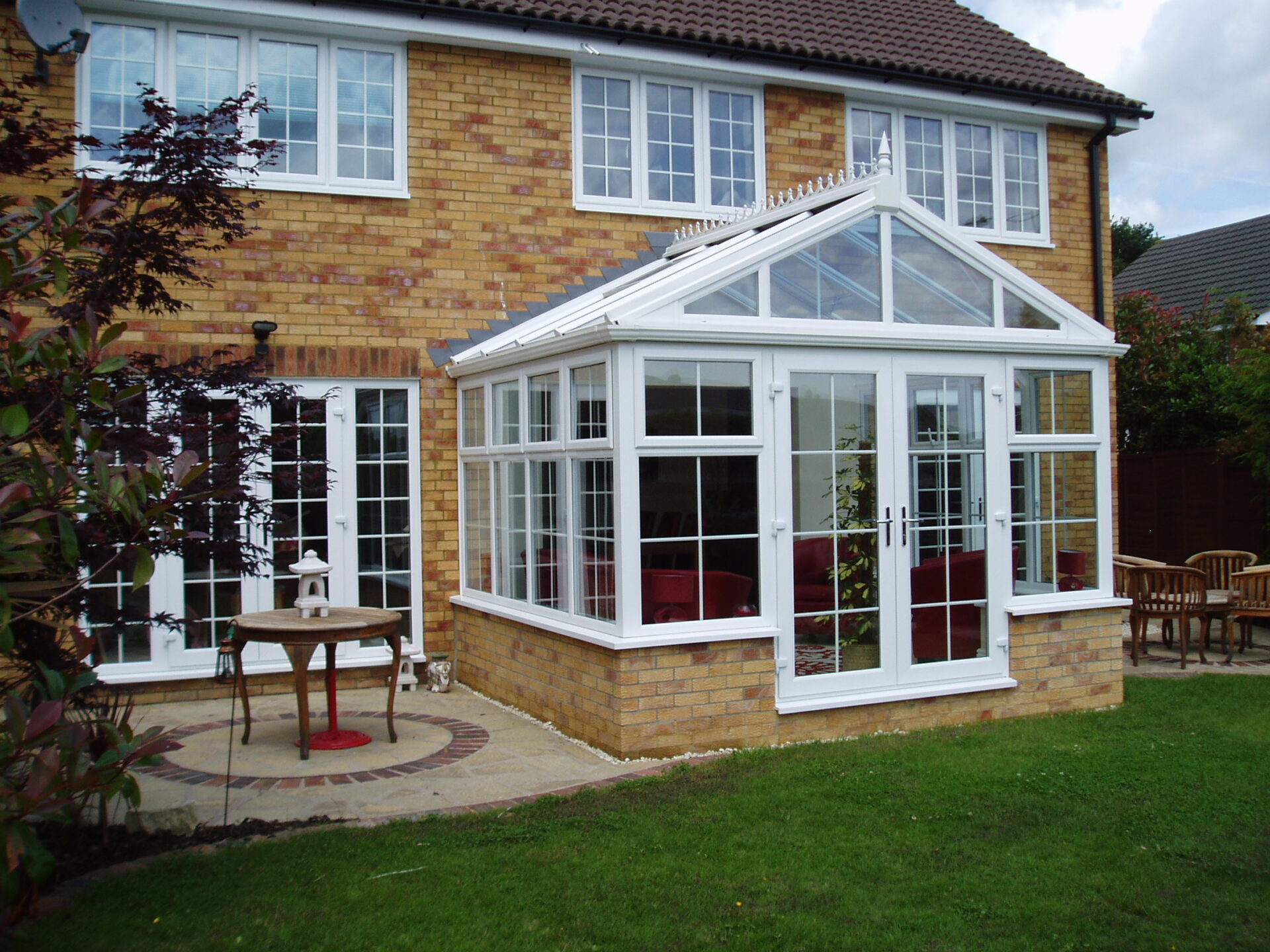
How to Make an Old Conservatory Warmer in Winter
An older conservatory can be a pleasant place to spend time during spring and summer, but many become difficult to use when the temperature drops.
Even with a portable heater running, the room may still feel cold and draughty. Warm air can escape quickly through an ageing roof, inefficient glazing and gaps around older frames. The result is often a room that costs a lot to heat but never feels truly comfortable.
There are several ways to make an old conservatory warmer in winter. Some provide a modest short-term improvement, while others address the underlying causes of heat loss and make the room more practical throughout the year.
For many homeowners, replacing the old glass or polycarbonate roof is one of the most effective ways to improve comfort and turn an underused conservatory into a warmer living space.
Why Do Older Conservatories Get So Cold?
A conservatory contains a much larger proportion of glazing than most rooms in the home. In an older installation, the roof, windows and doors may all allow heat to escape more quickly than modern products.
Polycarbonate roofs are particularly common on older conservatories. They are lightweight and allow daylight into the room, but many provide limited thermal insulation.
Older glass roofs may also perform poorly compared with modern systems, especially where the glazing units, seals or roof bars have deteriorated.
Other causes of a cold conservatory can include:
- Ageing window and door frames
- Failed or damaged glazing seals
- Draughts around opening sections
- Gaps between the roof and frames
- Cold flooring
- Poorly insulated dwarf walls
- Inadequate heating
- Large areas of north-facing glass
- A lack of internal blinds or thermal furnishings
The amount of heat loss will vary from one conservatory to another, which is why the full structure should be assessed before deciding on the most suitable improvements.
Start by Checking for Draughts
Cold air entering around the windows and doors can make a conservatory feel uncomfortable even when the heating is on.
Common draught points include:
- Window hinges
- Opening vents
- Door seals
- Thresholds
- Roof joints
- Gaps around trims
- Areas where the conservatory meets the house
Some draughts may be caused by worn seals or frames that need adjusting. In other cases, the windows or doors may have reached the end of their useful life.
A professional inspection can help establish whether a repair is sufficient or whether replacement would provide a more reliable long-term result.
Draughtproofing may improve comfort, but it will not solve heat loss through an inefficient roof or large areas of older glazing.
Improve the Conservatory Roof
The roof has a major influence on the temperature of a conservatory.
Warm air rises, so an inefficient roof can allow a significant amount of heat to escape during winter. This makes the room difficult to warm and means heating systems have to work harder.
Replacing an old polycarbonate or glass roof with a modern insulated system can help create a more stable internal temperature. It can also make the conservatory feel more substantial and reduce noise from heavy rain.
The best replacement roof will depend on how much natural light you want to retain, the existing structure and how you plan to use the room.
Ultraroof380 for a Warmer, More Room-Like Interior
The Ultraroof380 is a lightweight tiled roof system designed for conservatories and extensions.
Its insulated construction helps reduce heat loss through the roof, making the room easier to keep comfortable during colder weather.
The roof has an external tiled finish and can be boarded and plastered internally. This creates a conventional-looking ceiling and can make the conservatory feel much more like a permanent living room.
Integrated lighting can also be included, allowing the space to remain practical during darker winter evenings.
Glazed panels can be incorporated where additional natural light is needed.
An Ultraroof380 may be suitable for homeowners who want:
- Better insulation
- A warmer winter living space
- A plastered internal ceiling
- Reduced glare
- Less rain noise
- Integrated ceiling lighting
- A more substantial tiled appearance
LivinRoof for Insulation and Natural Light
Some homeowners want to improve warmth without losing the bright character of their conservatory.
The LivinRoof combines insulated solid sections with glazed roof panels. The layout of these sections can be tailored to the shape of the conservatory and the way the room is used.
Solid roof areas can improve insulation and reduce cold spots, while selected glass panels retain daylight.
For example, glazing can be positioned to bring light into the adjoining room, while solid sections can sit above seating, dining areas or workspaces.
LivinRoof may be suitable where homeowners want:
- A mixture of insulated and glazed roofing
- Better winter comfort
- Control over where natural light enters
- Reduced glare
- A more substantial internal appearance
- A design tailored to the room
LivinRoom for a More Homely Conservatory
The LivinRoom system creates a plastered perimeter around the inside of the roof while retaining a large glazed area above.
The plastered ceiling section can give the room a more finished appearance and provide space for integrated spotlights or speakers.
It may suit homeowners who want to maintain generous overhead natural light while making the conservatory feel more connected to the rest of the house.
LivinRoom does not create the same type of roof as a fully tiled system, but it can help improve the interior and provide a useful balance between a traditional glazed conservatory and an extension-style room.
Replace Inefficient Windows
Even after improving the roof, older windows may continue to allow heat to escape.
Signs that the conservatory windows may need attention include:
- Condensation between the panes
- Draughts around the frames
- Difficulty opening or closing the windows
- Cracked seals
- Visible damage
- Cold areas close to the glass
- Loose handles or hinges
Modern uPVC windows can provide improved thermal performance, security and ease of maintenance.
Replacing ageing glazing can also improve the appearance of the conservatory and make the room feel less dated.
The windows should be considered as part of the overall structure. A well-insulated roof will provide less benefit if a large amount of heat is still being lost through old or damaged frames.
Upgrade the Conservatory Doors
Doors can be another significant source of draughts and heat loss.
Older patio or French doors may have worn seals, inefficient glazing or frames that no longer close tightly.
Replacing the doors can improve insulation while also changing the way the conservatory connects with the garden.
Depending on the property and available opening, options include:
Modern doors can provide better weather sealing and security while maintaining natural light and garden views.
Where there is a large glazed opening, the thermal performance of the chosen doors will have an important effect on winter comfort.
Consider the Conservatory Flooring
A cold floor can make the whole room feel uncomfortable, even if the air temperature is reasonable.
Tiles and some types of laminate can feel particularly cold during winter. The amount of heat lost through the floor will depend on how the conservatory was originally constructed and whether insulation was included beneath it.
Possible improvements may include:
- Adding a large rug
- Installing thermal underlay
- Replacing the flooring
- Improving floor insulation during a wider renovation
- Considering suitable underfloor heating
A rug can provide an immediate improvement in comfort, but it will not reduce heat loss through an uninsulated floor.
If the conservatory is being renovated as part of a replacement roof project, it may be worth assessing the floor at the same time.
Choose the Right Heating
Once insulation, draughts and glazing have been considered, suitable heating can help maintain a comfortable temperature.
The correct heating system will depend on the size of the conservatory, the level of insulation and how regularly it is used.
Options may include:
- An appropriately specified radiator
- Electric panel heaters
- Underfloor heating
- An air-conditioning system with a heating function
- Other fixed heating solutions
Portable electric heaters can warm a small area quickly, but they may not be the most suitable long-term option for a room used every day.
Heating should not be used as a substitute for improving the building itself. If warmth is escaping rapidly through the roof and glazing, adding a larger heater may only increase running costs.
The most effective approach is usually to reduce heat loss first and then choose heating that suits the improved room.
Use Thermal Blinds and Curtains
Blinds and curtains can provide an extra layer between the warm room and cold glazing.
Thermal blinds may be fitted to the windows and, depending on the roof design, suitable roof blinds may also be available.
Heavy curtains can help around doors, particularly during the evening when there is no benefit from daylight or garden views.
These additions may help:
- Reduce the feeling of cold near the glass
- Limit draughts
- Improve privacy
- Make the room feel more comfortable at night
- Create a warmer visual appearance
However, blinds and curtains should be treated as supporting measures. They cannot provide the same level of improvement as replacing an inefficient roof or damaged glazing.
Keep Internal Doors Closed When Necessary
Where the conservatory is separated from the main house by internal doors, keeping them closed can prevent heat from the rest of the property being drawn into a cold room.
This can be useful as a temporary measure, particularly if the conservatory is not being used during winter.
However, many homeowners want the conservatory to feel like part of the home rather than a space that has to be closed off.
Improving the roof, windows and doors can make it more realistic to keep the room comfortable and use it more regularly.
Any proposal to remove or alter internal separation between the house and conservatory should be considered carefully, as building regulations and thermal requirements may apply.
Reduce Condensation
Condensation often becomes more noticeable during cold weather.
Warm, moisture-laden air comes into contact with cold glass or frames, causing water droplets to form. This can make the conservatory feel damp and may eventually affect internal finishes.
Ways to manage condensation include:
- Regular ventilation
- Using opening windows or vents
- Avoiding drying wet clothes in the room
- Maintaining a consistent temperature
- Repairing failed glazing
- Reducing excessive humidity
- Improving insulation
- Checking seals and drainage channels
Condensation between the panes of a sealed glazing unit usually indicates that the unit has failed and may need replacing.
Better insulation and glazing can help keep internal surfaces warmer, reducing the conditions that encourage condensation.
Think About Winter Sunlight
Natural sunlight can help warm a conservatory during the day, even in winter.
The benefit will depend on the room’s orientation, surrounding trees and nearby buildings. South-facing conservatories may receive useful solar warmth on clear days, while north-facing rooms are likely to remain cooler.
Curtains and blinds can be opened during sunny periods to allow warmth into the room and closed in the evening to help retain it.
When designing a replacement roof, the position of any glazed panels should take account of winter daylight as well as summer heat.
A hybrid roof can be particularly useful where selected areas of glazing can bring sunlight into the room without leaving the entire roof exposed.
Make the Interior Feel Warmer
Thermal performance is essential, but the visual design of the room also affects how warm and inviting it feels.
A conservatory with an exposed polycarbonate roof, hard flooring and minimal lighting can feel cold even after the heater has been switched on.
A replacement roof with a plastered ceiling can provide a softer, more conventional interior.
Other improvements may include:
- Warm-toned lighting
- Rugs
- Upholstered furniture
- Curtains
- Cushions and throws
- Coordinated wall colours
- Timber-effect finishes
- Table and floor lamps
These details will not replace proper insulation, but they can help turn the conservatory into a room people enjoy using during winter evenings.
Avoid Quick Fixes That Can Cause Problems
Some homeowners consider attaching insulation directly beneath the existing conservatory roof.
Although this may appear to be a simple solution, the existing roof and supporting structure should be assessed before any additional materials are installed.
Poorly planned internal roof coverings may:
- Add unexpected weight
- Conceal leaks
- Trap condensation
- Reduce ventilation
- Create an uneven finish
- Make future roof maintenance difficult
- Fail to provide the expected improvement
A properly designed replacement roof is manufactured as a complete system, with insulation, weatherproofing, structural support and internal finishing considered together.
This provides greater confidence than applying an improvised covering to an ageing roof.
Can an Old Conservatory Become a Proper Winter Living Room?
A conservatory can become much more suitable for winter use when the main sources of heat loss are addressed.
Depending on the condition of the structure, the work may include:
- Replacing the roof
- Upgrading the windows
- Installing new doors
- Improving the floor
- Adding suitable heating
- Boarding and plastering the ceiling
- Installing new lighting
- Improving ventilation
The finished room could be used as:
- A family living room
- A dining room
- A home office
- A playroom
- A television room
- A reading room
- A hobby space
- A room for entertaining
The exact level of improvement will depend on the starting condition of the conservatory and the products selected.
Is It Worth Replacing the Whole Conservatory?
Not every old conservatory is suitable for a roof-only upgrade.
If the frames, foundations or brickwork are in poor condition, more extensive work may be required. In some cases, replacing the walling and roof together may provide a better long-term result.
A professional assessment can help determine whether the existing structure can be retained.
Where the conservatory is sound, a replacement roof and selected frame upgrades may transform the room without the cost and disruption of constructing a completely new extension.
Arrange a Professional Conservatory Survey
Before choosing products, the conservatory should be measured and assessed properly.
R&M Windows and Conservatories completes a full survey once an order has been placed. This helps ensure that the chosen roof and other products are suitable for the existing openings and supporting structure.
The survey also provides an opportunity to identify problems with the frames, doors, walling or guttering before installation begins.
Accurate surveying is particularly important for replacement roof projects because the finished system must fit correctly and work with the existing conservatory.
Replacement Conservatory Roofs in Bracknell
R&M Windows and Conservatories has been installing conservatories, windows and doors in Bracknell and the surrounding areas since 1987.
We can assess why your conservatory feels cold, discuss how you would like to use the room and explain the suitable replacement roof, window and door options.
Our team provides a detailed quotation and clear payment schedule before work begins. Our window, door and conservatory installations are also covered by a full ten-year guarantee.
To discuss making your old conservatory warmer and more comfortable during winter, contact R&M Windows and Conservatories for a free quotation.