Sliding Sash Windows

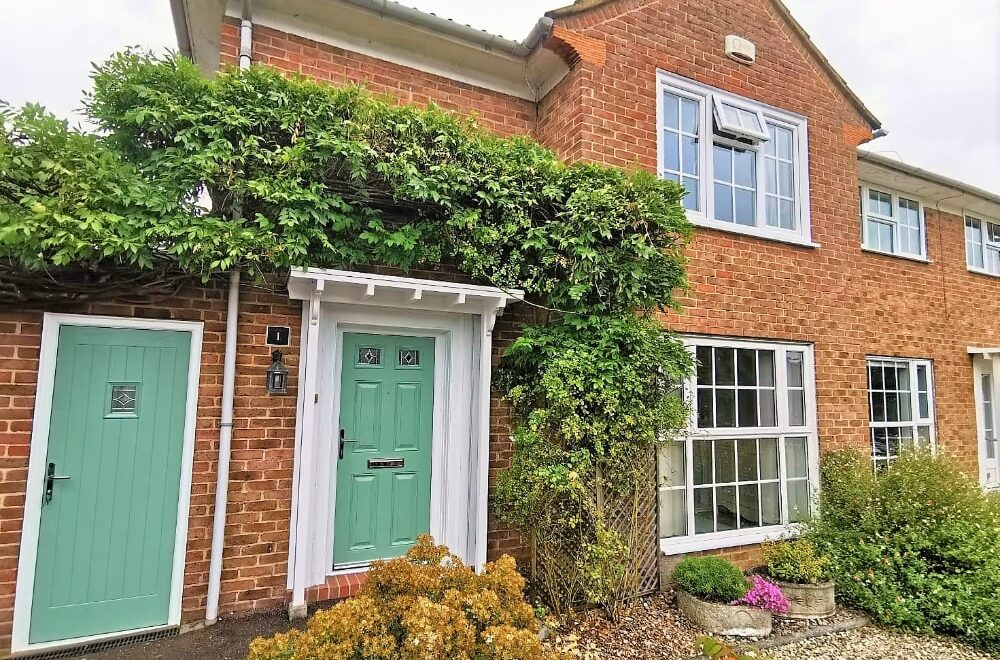
Green composite door installed in Windsor, Berkshire
Aluminium Windows, Blog, Casement Windows, French Windows, Sliding Sash Windows, Tilt and Turn Windows, Windows

How Energy-Efficient Windows Can Reduce Your Bills in 2024

As we step into 2024, energy efficiency in our homes is more crucial than ever. With rising energy costs and growing environmental concerns, homeowners are seeking ways to make their homes more sustainable and cost-effective. One of the most impactful changes you can make is installing energy-efficient windows. In this article, we’ll explore how these windows work and the tangible benefits they offer in reducing your bills.

The Science Behind Energy-Efficient Windows:

Energy-efficient windows are designed to prevent heat from escaping your home in the winter and entering in the summer. This is achieved through various technologies:

  • Double or Triple Glazing: Multiple layers of glass with inert gas, like argon, trapped in between, provide insulation.
  • Low-Emissivity (Low-E) Coatings: A microscopic coating reflects infrared light, keeping heat inside during the winter and outside during the summer.

The Cost-Saving Benefits:

  • Reduced Heating and Cooling Bills: By maintaining a consistent temperature, energy-efficient windows reduce the reliance on heating and cooling systems, directly lowering energy bills.
  • Longevity and Durability: Modern energy-efficient windows have a longer lifespan, reducing the frequency and cost of replacements.
  • Less Wear on HVAC Systems: With a more consistent indoor temperature, HVAC systems work less, reducing maintenance costs.

Impact on Property Value and Market Appeal:

Energy-efficient windows are a desirable feature in modern homes. They enhance the property’s value and appeal to environmentally conscious buyers. In the real estate market of 2024, properties with such upgrades are often preferred.

Choosing the Right Windows for Your Home:

When selecting energy-efficient windows, consider the following:

  • U-Value and Solar Heat Gain Coefficient (SHGC): Lower U-values indicate better insulation. SHGC measures how well the window blocks heat from sunlight.
  • The Right Fit: Ensure precise measurement and installation for maximum efficiency.
  • Aesthetics: Choose a style that complements your home’s architecture.

R&M Windows and Conservatories: Your Partner in Energy Efficiency:

At R&M, we understand the importance of energy-efficient windows. Our team provides expert advice, precise measurement, and professional installation. We offer a range of styles to match any home’s design, ensuring that efficiency doesn’t come at the expense of aesthetics.

Conclusion:

In 2024, investing in energy-efficient windows is not just a home improvement, but a smart financial decision. It’s a step towards a more sustainable lifestyle, aligning with global efforts to combat climate change. With R&M Windows and Conservatories, you can trust that your investment will enhance your home’s comfort, reduce your energy bills, and contribute to a greener future.

Blog, Conservatories, Flush Sash Windows, Sliding Sash Windows, Windows

How to prevent condensation on windows

It’s that time of year again. The nights are drawing in, Strictly is a few weeks in, Halloween pumpkins are all around and the clocks have gone back; but it’s also a time of year when we get calls from customers asking us how to prevent condensation on their windows. As autumn deepens and winter approaches, these are typically our wettest seasons – so the issue will only worsen if you take no action.

While condensation tends to be worse on single-glazed rather than double-glazed models, it also commonly appears double-glazed units. Technological advances in double and triple glazing mean that if you have newer windows you’re much less likely to experience problems.

What is condensation and why does it occur on windows?

People often ask us why condensation appears on windows.

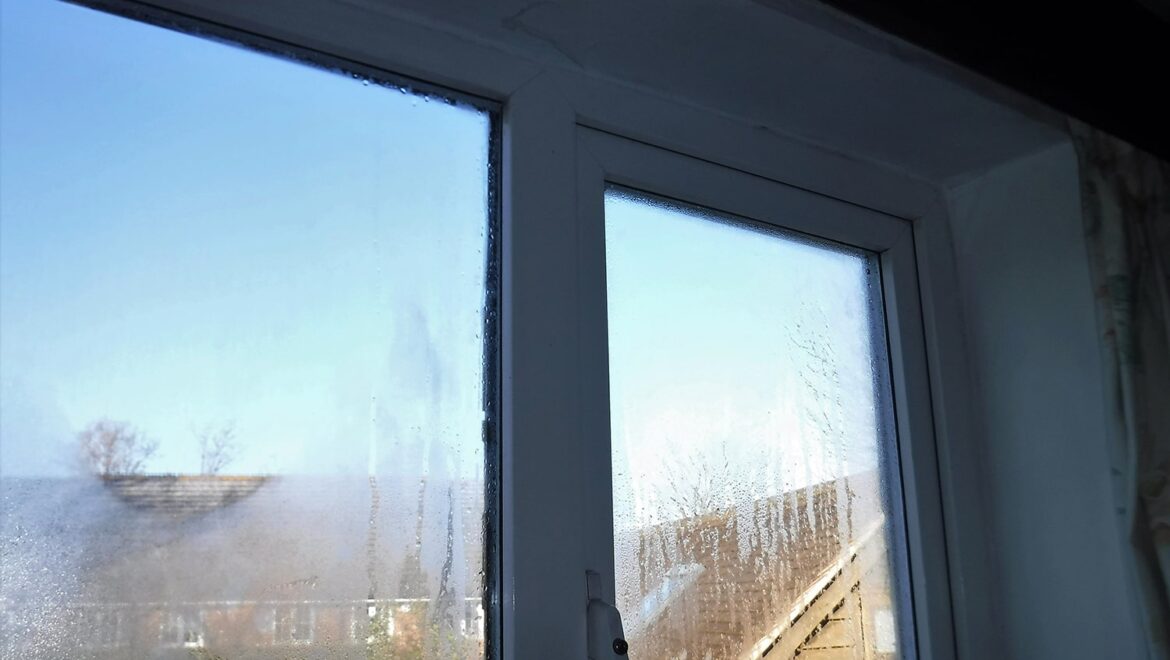
Condensation is the physical process of gas and vapours becoming liquid. When it comes to windows, excess humidity is usually what causes it to form on windows. As the temperature outside drops and the window glass becomes colder, moist air from inside the home is attracted to the coldest part of the room. Therefore, when comes into contact with the cold glass, it condenses and forms the water droplets/ condensation.

Causes of moist air

These can include:

  • Heavy breathing
  • Drying clothes
  • Bathroom steam
  • Cooking
  • Appliances like washing machines and tumble dryers

The different types and locations of window condensation

When you’re working on how to get rid of condensation on windows, it’s important that you note which surface of the glass it forms on, since this is a key indicator of its cause, giving you the best chance of identifying how to prevent condensation on windows.

Internal window condensation

When condensation appears on the inside of the glass in your home (rather than the outside), it is generally down to excessive moisture in the house, i.e. vapour. It usually occurs in the winter when the warm air inside condenses on the cold windows.

With single glazing, the internal surface of the window is much colder, meaning single-glazed windows are more prone to condensation. However, it still occurs on internal glass on double and triple-glazed units, although this is more common on older models.

Within the glass unit (i.e. between the glass panes)

If you notice condensation between the two (or, obviously, three in the case of triple glazing) glass panels, this usually indicates a broken seal. In this case, you will need to replace your glass unit.

External glass

If your windows have condensation on the external glazing, this means your windows are performing well and are preventing heat loss from your home. It’s more likely to appear on the outside of newer, more thermally efficient double glazing than older models. This is normal and will subside when the outside temperature increases during the day.

How to get rid of and avoid condensation on your windows

The main way to avoid condensation on your windows is to increase ventilation. Here are some of the best ways of improving ventilation and, in turn, reducing condensation on windows:

1.) Fit trickle air vents on double or triple-glazed units

Trickle vents enable you to create a small opening to allow excess moisture in the home, to escape outside without opening the window. This moisture then does not settle on the glass, preventing or reducing condensation on windows.

Since June of this year, the building regulations have changed and we now have to include trickle vents on any new windows we fit. However, there will be plenty of existing windows without them. It may be possible to install trickle vents on existing windows but if not, new windows would be required.

2.) Keep windows ajar

Even if you only open windows for a short time each day, and only slightly, it can help reduce airborne droplets and so minimise the beads of water on your windows. Be choosy about doing this in high-moisture spaces like bathrooms, bedrooms and kitchens.

3.) Install cooker hoods

Cookers are a key source of airborne moisture in kitchens, ensuring use of cooker hoods and extractor fans makes a difference when tackling the issue of condensation.

4.) Draught-proof internal doors

Particularly in the bathroom and kitchen, draught-proofing internal doors and keeping them closed to contain the moisture makes a significant contribution to stopping condensation from beading on windows in neighbouring rooms.

Can condensation on windows cause damage?

Condensation on windows can damage both your home and your windows. In some cases, for example where it leads to mould in the home, it can even affect your health, which is why preventing condensation on windows is always better than cure. Some of the issues window condensation can cause include:

Mould: Condensation can cause mould in your home and black spots on the walls. Breathing in mould particles can be disastrous for health, with issues developing over time. Unfortunately, if condensation is behind the mould, simply removing the mould doesn’t fix the problem – you need to tackle the root cause.

Damage to windows: Over time, condensation can damage your windows, rusting metals and affecting the seals, too. If you have timber windows, condensation may cause them to rot.

Damage to plaster and walls: If condensation on windows remains unresolved, it could damage the walls and plaster surrounding the windows as well as across other areas of your home.

Damage to paintwork: Condensation can cause paintwork to peel. Not only is this unsightly, but it can also be costly to fix.

Will new windows really make that much difference?

Clearly, replacement windows are never going to be cheap, so won’t be an option for everyone. However, if your windows were fitted 10 years or longer ago, and your budget permits, upgrading your double glazing is often the easiest and most effective solution.

Technological advances in double and triple glazing mean that newer versions are far less prone to condensation. What’s more, their energy efficiency is much better, leading to long-term energy bill savings, plus enhanced security.

We would point out, however, that condensation does still happen, whatever windows you have, since it depends on the volume of moisture in the air in your home and the amount you ventilate.

Talk to us about minimising window condensation

If you’re experiencing condensation on your windows and want to upgrade them to newer models, we’re ideally placed to advise you on the best models for your home and keeping this problem at bay, while also increasing energy efficiency.

We also supply a range of doors including front and back models, and these often help reduce condensation on windows. Older doors particularly frequently have droplets beading on their glazed panes.

We’re based in Bracknell, but cover other Berkshire towns, including Wokingham, Windsor, Maidenhead and Ascot. Contact us to learn more about our high-quality replacement units and take the first step to reducing condensation on windows in your home.

Blog, Flush Sash Windows, Revival Windows, Sliding Sash Windows, Windows

What Are The Benefits Of uPVC Sash Windows?

Sash models are frequently found on period properties and have traditionally been fashioned from timber which though look stunning, require lots of care and maintenance. However, these days homeowners are increasingly upgrading to uPVC sash windows in order to reap the many benefits of doing so, whatever the style of their property.

It’s true that uPVC may not be the first or most obvious choice for replacement sash windows, not least for those who live within conservation areas. However, thanks to innovation and modern technological advances, uPVC today can look almost identical to real wood, while incorporating added features not otherwise possible with traditional timber, including enhanced energy efficiency.

How Sash Windows Work

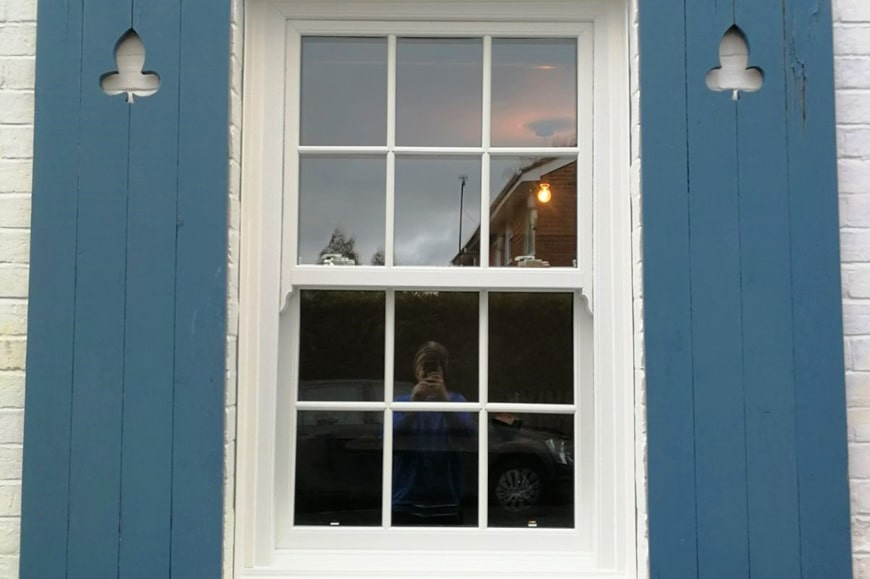
Sash windows open vertically and, typically, people associate them with traditional rather than contemporary design and architecture. These units comprise two framed window sashes – one placed in front of the other. Their frames feature vertical grooves allowing smooth movement up and downwards, helped by counterbalances or weights on cords and pulleys.

If you’re contemplating upgrading your timber sash windows, you may want to consider the numerous benefits that uPVC sash windows offer.

What’s more, uPVC offers a smart-looking alternative to the high-maintenance nature of real wood.

Sash windows: a brief history

Early examples of these windows date back to the seventeenth century, for example at Ham House in Richmond. They’re sometimes considered originally a Dutch idea, at other times English and they’re often found in Georgian and Victorian homes. They do vary in size and whilst older models could be of any dimension, many late-Victorian and Edwardian homes use standard 4ft widths.

Benefits of uPVC sash windows

There are a good number of benefits to choosing UPVC sash windows and numerous reasons why more and more homeowners are turning to them over their wood-based counterparts.

#1 Long-lasting

Make no mistake, all uPVC windows are built to last, and sash models are no exception to this rule. You’ll have the peace of mind of knowing that your windows will stay looking and performing at their best for many years to come.

#2 Low maintenance

As touched on above, uPVC sash windows require very little in the way of regular maintenance. Indeed, care is mostly limited to the occasional wipe down with a damp cloth. Real timber sash windows, in contrast, need pretty frequent cleaning, painting and restoration treatment, plus you need to allow time for sanding down, painting the various layers of paint required and so on.

#3 Energy efficiency

The energy efficiency of uPVC sash models is markedly different to that of wooden versions. So, if you’re in the business of upgrading, you’re likely to notice a reduced need for heating so you’ll save money on energy bills.

#4 Keeping your home warmer

Your home will feel a great deal cosier with uPVC sash windows compared to wooden ones. And, even if you’re looking to upgrade existing uPVC sash windows or other types of uPVC windows, modern advancements in recent years mean you are still likely to feel the benefits of having a warmer home.

#5 Can look indistinguishable from timber models

Modern woodgrain finishes look incredibly similar to the real thing (i.e. genuine wood) in terms of appearance. Sure, it’s often said that nothing beats the beauty of real wood – but uPVC units bring added benefits including enhanced performance and energy efficiency. So you really do get the best of both worlds!

#6 More cost-effective

Both in the short and longer term, uPVC sash windows are more cost-effective, given that they require next to no maintenance and fewer repairs than traditional models. Meanwhile, don’t forget that uPVC sash windows will also save you money over time on your energy bills.

#7 Extra secure

Security is clearly a major consideration for any homeowner choosing replacement windows. So, it’s understandable that you would consider this before committing to your new windows.

But there are reasons you can have confidence in the security of uPVC sash windows, including their use of the latest technology and locking mechanisms.

Equally, you use sash window stops to prevent them from opening fully but enough to let in a breeze without risking a child or vulnerable person falling out.

And, of course, you could add double or even triple glazing to heighten security and energy efficiency, while also minimising noise pollution.

#8 Extremely weather-resistant

uPVC sash models, like all replacement windows in the UK, need to handle the worst of the ever-changing British weather, including rain, hail, sleet, snow, wind and, in coastal areas, salt. Unlike wooden versions, uPVC sashes won’t warp, peel or flake. They can resist something we’re increasingly having to get used to in this country – conditions of extreme heat.

#9 Reduced noise pollution

Whether you have loud neighbours, live under a flight path or busy traffic, noise can seriously threaten the quiet enjoyment of your home. uPVC as a material has better noise-cancelling properties than timber. And, as mentioned above, double or triple glazing helps create an excellent solution to combatting noise pollution.

We supply and install uPVC sash windows

At R&M Windows, we offer sash windows along with a number of other home improvements, from front and patio doors to conservatories.

We’re based in Bracknell, but also cover nearby areas and towns in Berkshire, including Wokingham, Windsor, Maidenhead and Ascot. Get in touch today to learn more about our high-quality uPVC sash windows – and what they could do for your property.